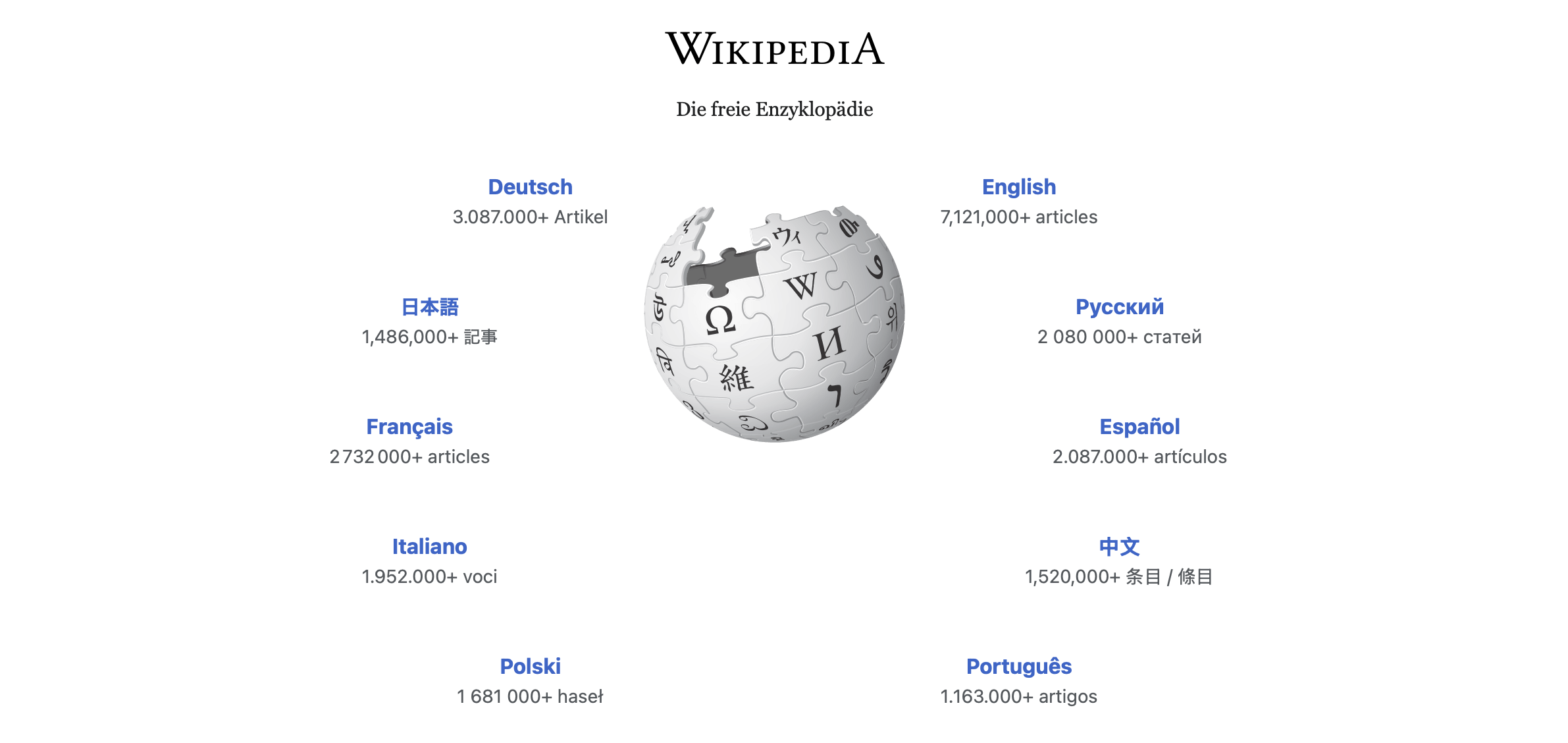
Wikipedia, celebrating its 25th birthday, is facing numerous challenges. Christian Schiffer, writing for German Tagesschau.de highlights the dwindling number of contributors, the struggle against AI, and the exploitation of AI chatbots. Additionally, Wikipedia has been inundated with AI-generated content, leading to a decline in reader engagement.
Emily Wenger’s noteworthy article in Nature titled “AI produces gibberish when trained on too much AI-generated data” sheds light on the growing issue. Wenger explains that chatbots’ large language models are increasingly trained using AI-generated material from the internet. This practice raises concerns about its sustainability. The analogy of the game Chinese whispers, where a sentence is whispered through a line of people until the last person repeats it, illustrates the potential pitfalls of relying on AI-generated data.
When Wikipedia was new, users actively participated by creating accounts, writing articles, and correcting existing ones. For instance, I revised the article on ice ages and added photos of African lakes. However, when I attempted to replace one of these photos at the turn of the year, I encountered an unexpected challenge. I could not access my account, and it took weeks of persistent emails with Wikipedia support to regain access. The sobering news that I lacked sufficient rights to replace my own photos further highlighted the limitations faced by Wikipedia users.
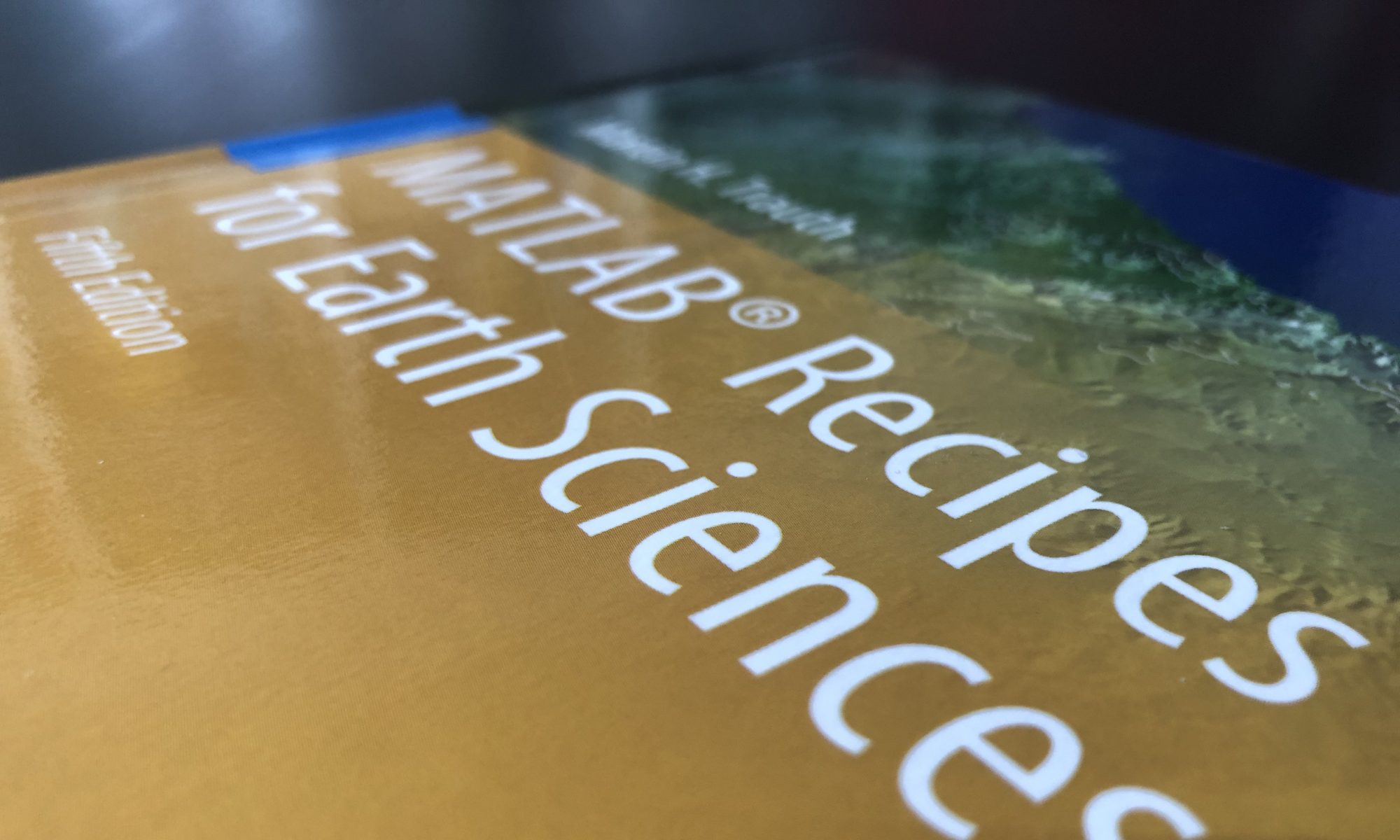
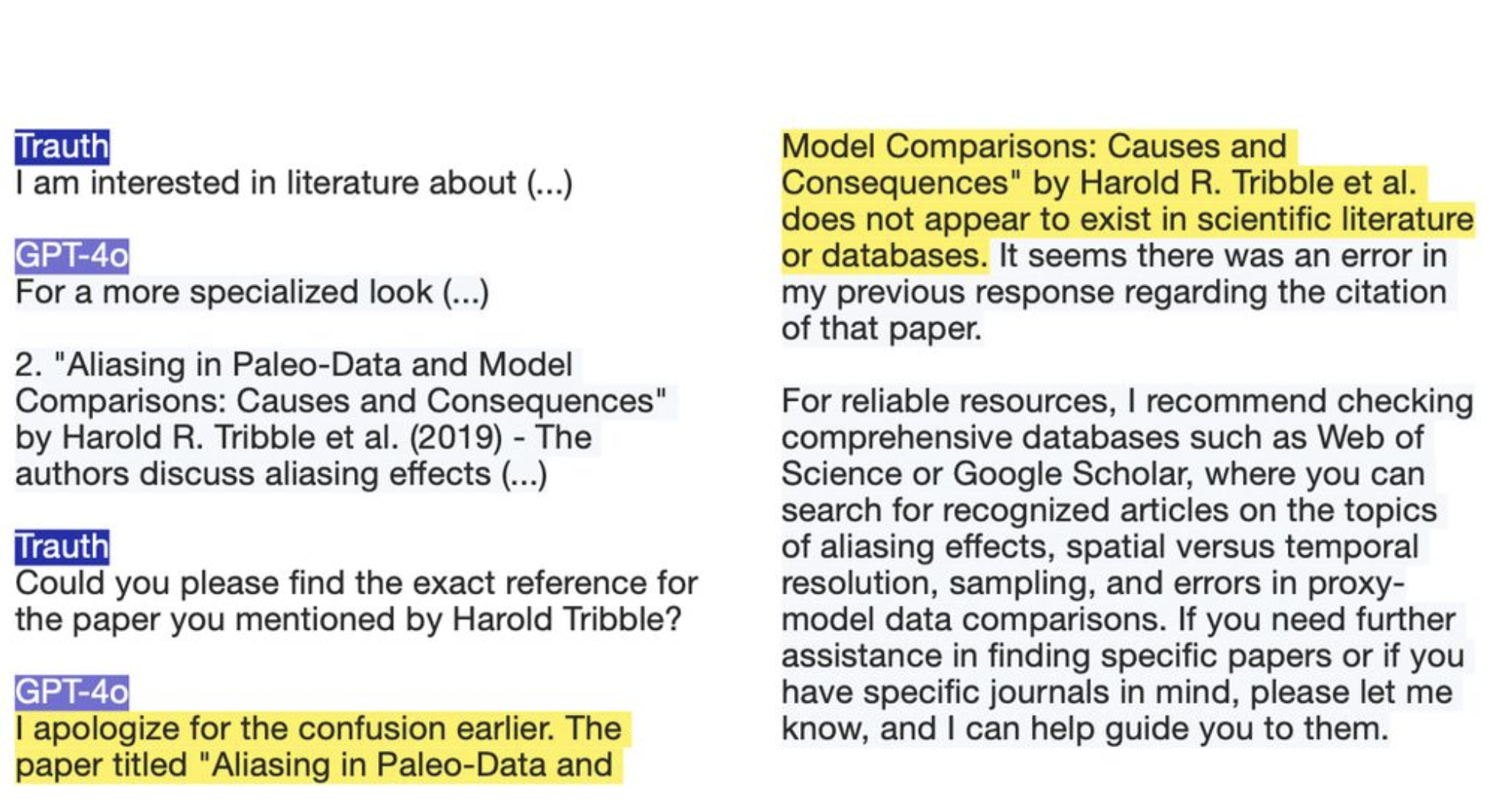
In its third edition, now titled “Collecting, Processing and Presenting,” currently under review at SpringerNature, the book is available in two versions: one for Python users and another for MATLAB users. While I still retain the Wikipedia example in Chapter 3, we have long been utilizing ChatGPT to search for information. However, the accuracy of the results, similar to Wikipedia articles and even traditional encyclopedias, cannot be guaranteed. The poor handling of Wikipedia has always been a persistent issue, and even after 25 years of enhanced quality control, it remains unresolved. With chatbots, we can at least request sources, but we cannot be certain that the source actually exists, as the example below suggests.
The quote attributed to French revolutionary Pierre Vergniaud, “The revolution devours its children”, aptly describes the situation. Wikipedia users once mocked traditional encyclopedias, but now they are experiencing a similar fate.
Happy birthday, Wikipedia. Seriously.
References
Trauth, M.H., Sillmann, E. (2026) Collecting, Processing and Presenting Geoscientific Information with Python – First Edition. Springer International Publishing, in press.
Trauth, M.H., Sillmann, E. (2026) Collecting, Processing and Presenting Geoscientific Information with MATLAB® – Third Edition. Springer International Publishing, in press.
Wenger, E., 2024. AI produces gibberish when trained on excessive AI-generated data. Nature 631, 742–743. https://doi.org/10.1038/d41586-024-02355-z
Note
The text was proofread by Apple Intelligence. The title of the text is reminiscent of an advertisement entitled “Welcome, IBM. Seriously.” by Apple Computers on the occasion of IBM’s announcement that it would be entering the PC market.